
Places That Inspire Me
Every city has a design language. Let me take you through the ones that shaped everything I make.
I grew up in Mumbai (known as Bombay until 1995) surrounded by centuries of layered influence, Buddhist cave carvings, Indo-Saracenic arches, Gothic spires, bold Art Deco geometry. Beauty was never separate from daily life; it was built into the walls, pressed into the stone, repeated in the patterns of the street. That early education never left me.
As I travelled, I kept finding the same quiet truth: that the places which move us most are rarely shouting. They reveal themselves slowly, in the detail above a doorway, in the way light falls across a carved surface, in a motif repeated so many times across a city it becomes part of how that place breathes.
These are the cities that taught me to see. And they are the reason Bombay Design Co. exists.
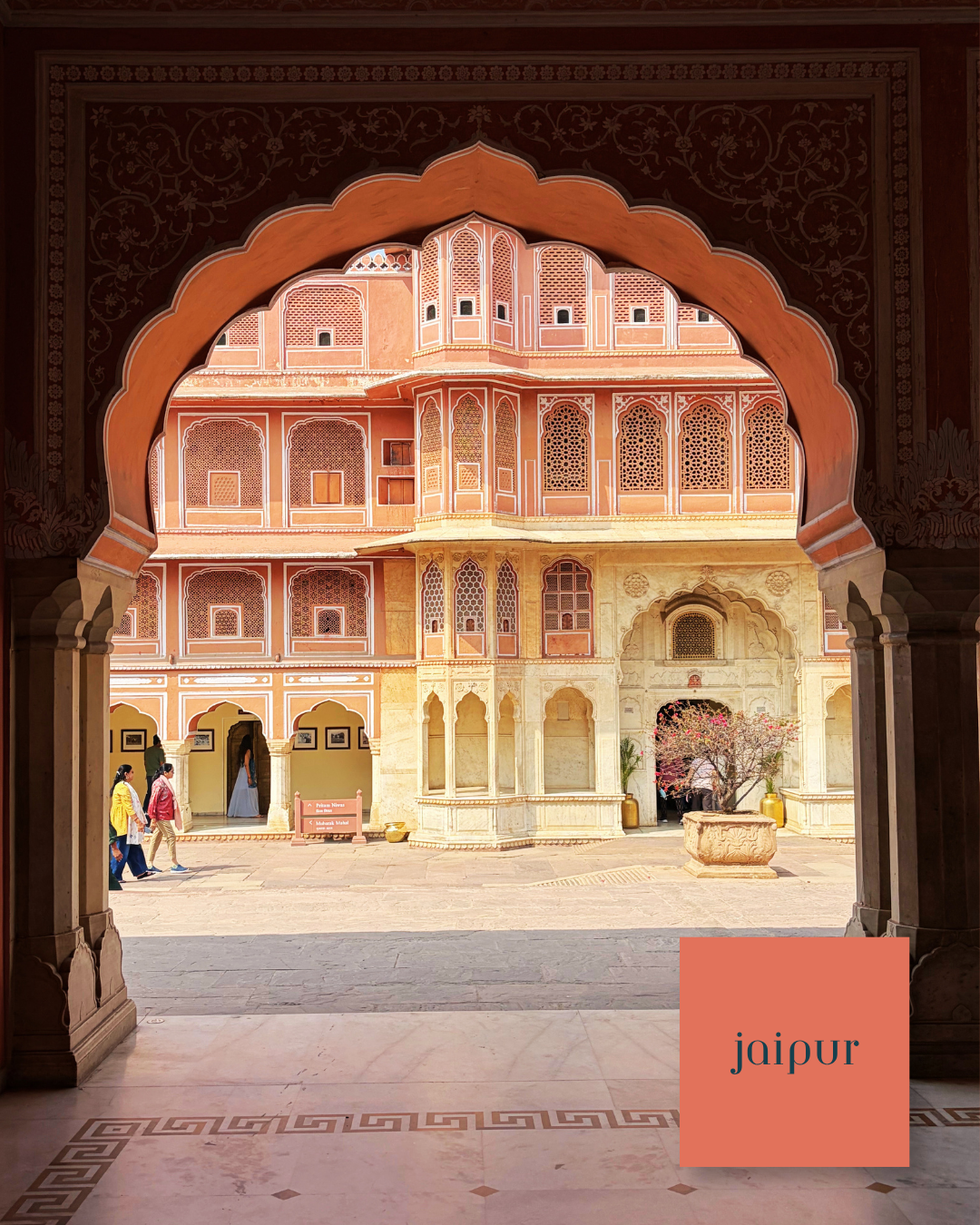
Jaipur, India
Jaipur was not built by accident. In 1727, Maharaja Jai Singh II laid out the city on a grid of nine sectors, blending Western planning principles with traditional Hindu design philosophy. The result was something remarkable: uniform façades along every main street, a coherent visual identity achieved through rules so considered they would feel at home in any modern design manual.
What struck me most, walking through the old city, was the confidence of it. Every detail earning its place. Colour, pattern, and craft held in a balance that felt completely natural and yet was entirely intentional. Jaipur has been doing this for three centuries. It shows.
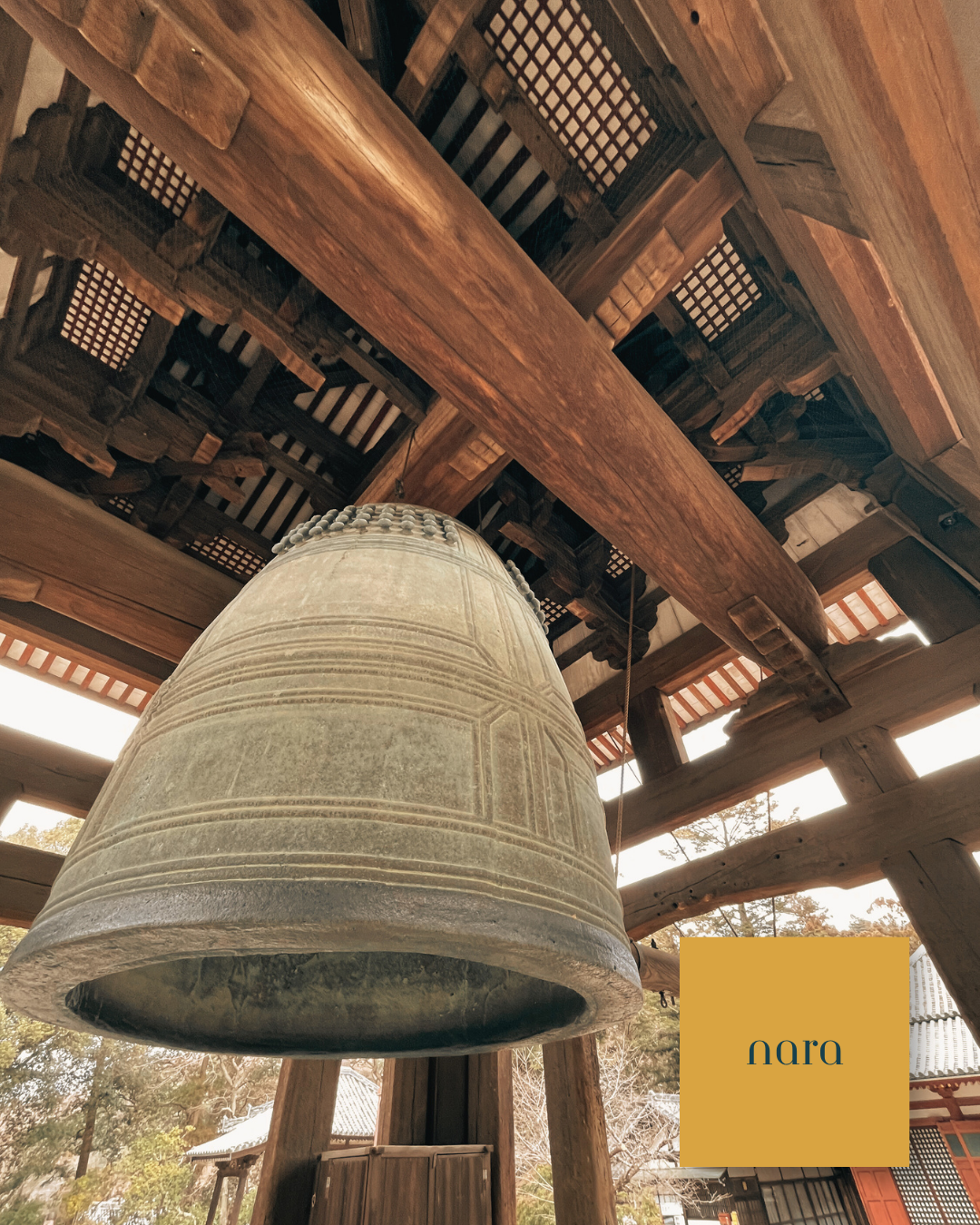
Nara, Japan
Ancient Nara, then known as Heijō-kyō, was planned on a grid modelled on Tang China's great capital, Chang'an. The imperial palace anchored the north. The emperor was the North Star, and the entire city revolved around that fixed point — every street, every axis a physical expression of a nation stepping deliberately into a new era.
There is something deeply moving about a city built on that kind of conviction. In Nara, even the silence carries weight. The stillness between the cedar trees, the quality of the air near the old shrines, it all feels composed, considered, placed. That sense of intention in space is something I carry with me into every collection.
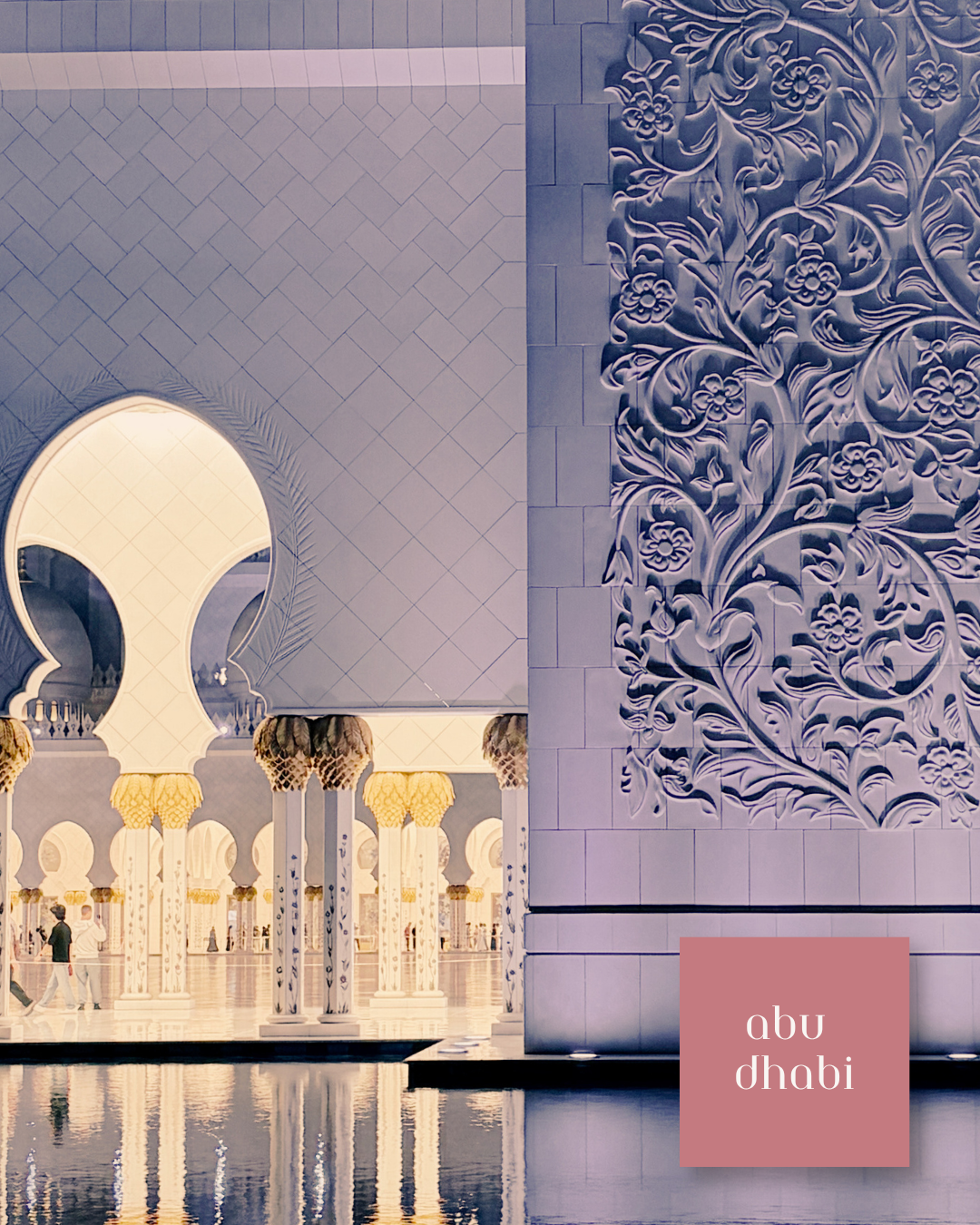
Abu Dhabi, UAE
The Sheikh Zayed Grand Mosque draws on design traditions from across the Islamic world, white marble, reflective pools, minarets rising 107 metres into the sky. It is monumental and yet, standing inside it, the word that comes to mind is serene. Nearby on Saadiyat Island, Jean Nouvel's dome for the Louvre Abu Dhabi casts what critics have called a rain of light, a completely different language, centuries of design thinking apart, but reaching for something similarly felt rather than just seen.
What Abu Dhabi taught me is that the greatest design is always experienced before it is understood. You feel it in your chest before your mind catches up. That is what I want our pieces to do, to arrive as a feeling first.
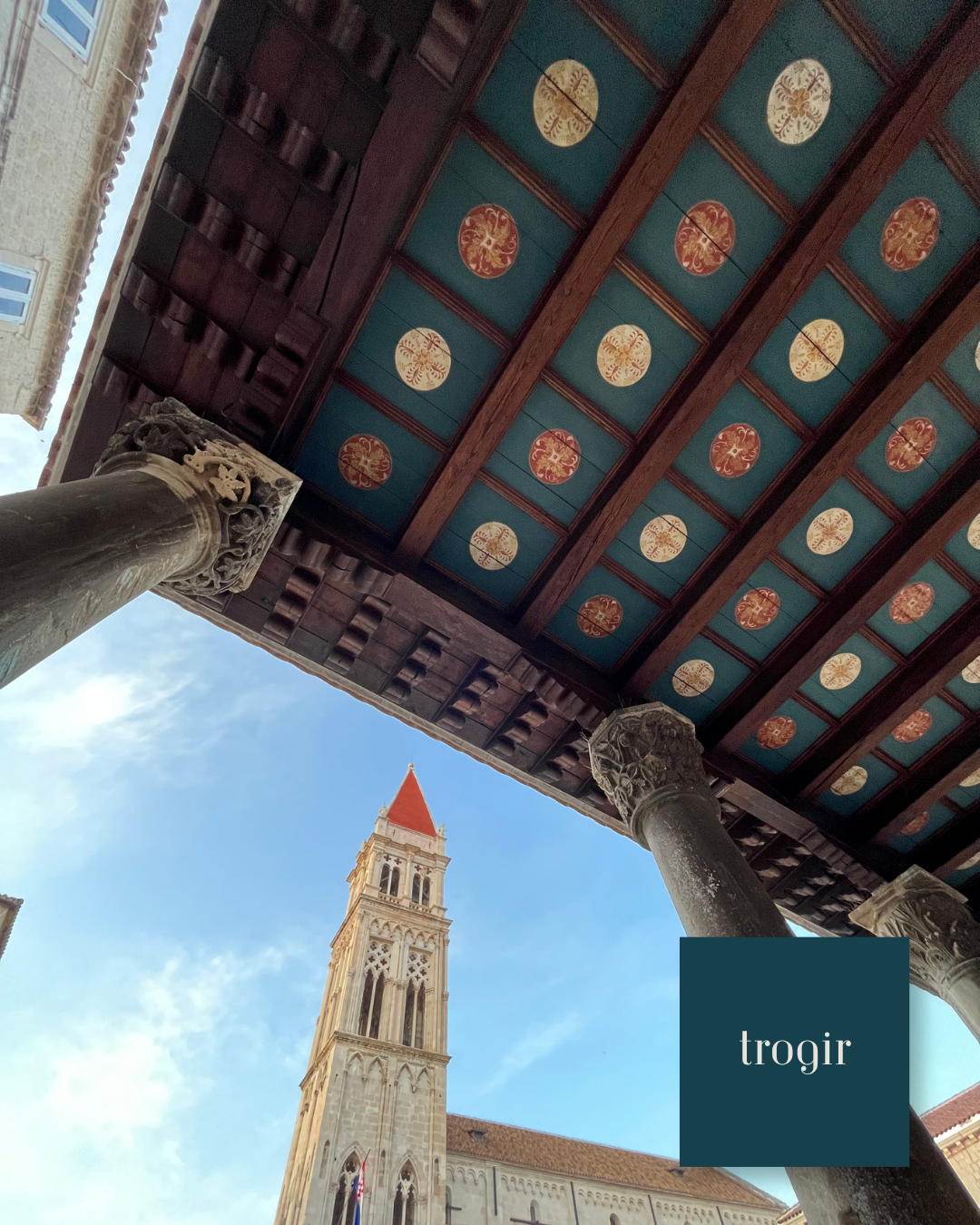
Trogir, Croatia
Trogir has been building on the same geometric blueprint since the Hellenistic period. Romanesque, Renaissance, Baroque, and Venetian layers have each left their mark, but none erased what came before. The city still moves to an ancient rhythm.
I remember standing in its narrow streets and looking up. The carved stone columns holding a façade that has stood for a thousand years. The tower beyond, unbothered by time. There is a lesson here about longevity, about what it means to make something that endures, that accumulates meaning rather than losing it. Trogir rewards those who stop. And look up.
Bikaner, India
The carved sandstone façades of Bikaner's havelis are not purely decorative. Every jharokha, every projecting balcony, every carved chajja was doing quiet environmental work: casting shade onto the street below, reducing heat gain, keeping the desert at bay. The buildings are extraordinarily beautiful, and they are also extraordinarily intelligent.
Bikaner taught me something I think about almost every day: that form and function are not a compromise. They are, when done well, completely inseparable. The warm sandstone seems to glow from within. The carved detail runs floor to floor, balcony to balcony, without a single surface left unattended. Bikaner doesn't just build. It embellishes, obsessively, and for very good reason.
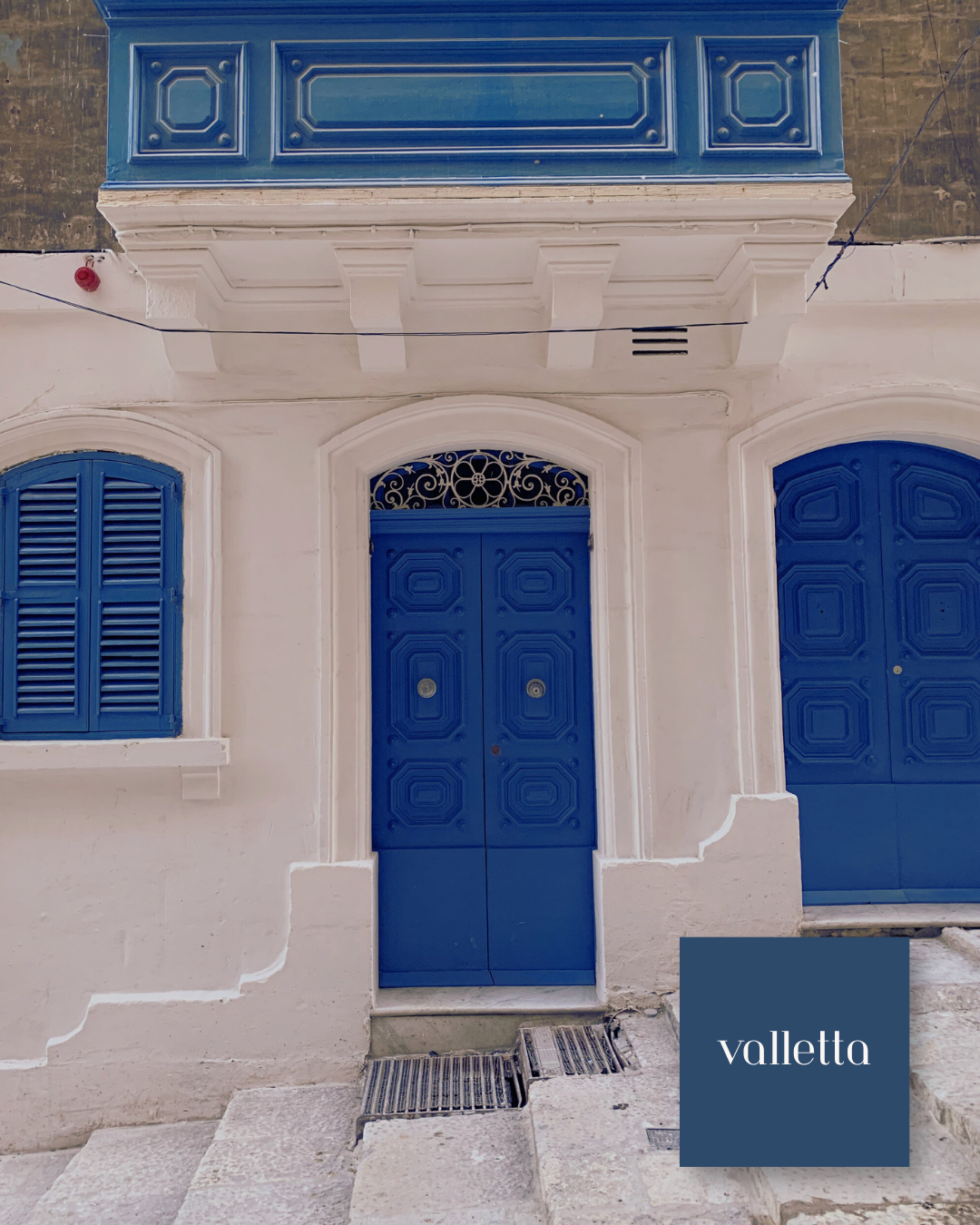
Valletta, Malta
Valletta was born from necessity. After the Great Siege of 1565, the city was laid out on a rational Renaissance grid, straight streets designed to channel sea breezes as much as people. Over the centuries, that formal structure was softened by richly ornate Baroque architecture and the iconic enclosed Maltese balconies, the gallariji, that line every limestone street.
The Mediterranean blue against chalk white. The fanlight window grilles above a doorway. The way every detail earns its place without ever raising its voice. We have tried to capture the same spirit in our Blu Pietra collection.
Valletta doesn't ask to be noticed. It simply is, and that quiet confidence is one of the most sophisticated design statements I have ever encountered.
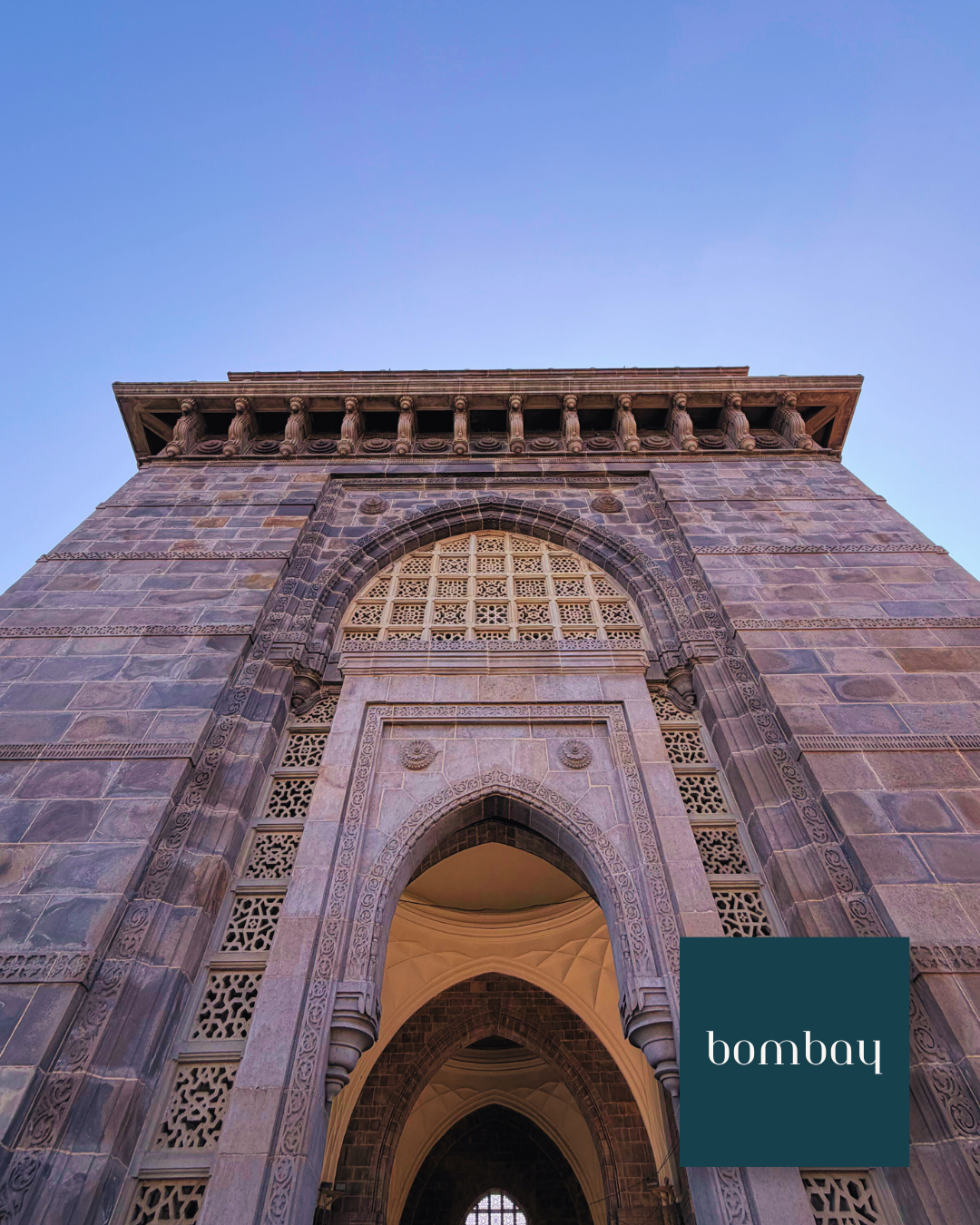
Mumbai, India
If you walk past the Oval Maidan in Mumbai, you find yourself at one of the great design conversations in the world. On one side, Victorian Gothic civic buildings - ornate, aspirational, built to impress. On the other, Art Deco residential blocks - geometric, modern, built to last. Two eras, two philosophies, standing across from each other without conflict.
Mumbai has always known how to hold many histories within the same view. The jali, perforated stone latticework with each opening carved to geometric precision. The pointed arch that frames the Arabian Sea beyond. The city taught me that richness doesn't come from a single influence, but from the depth of layering and the grace with which different stories are held together. You’ll find the same spirit in our Bombay Deco collection.
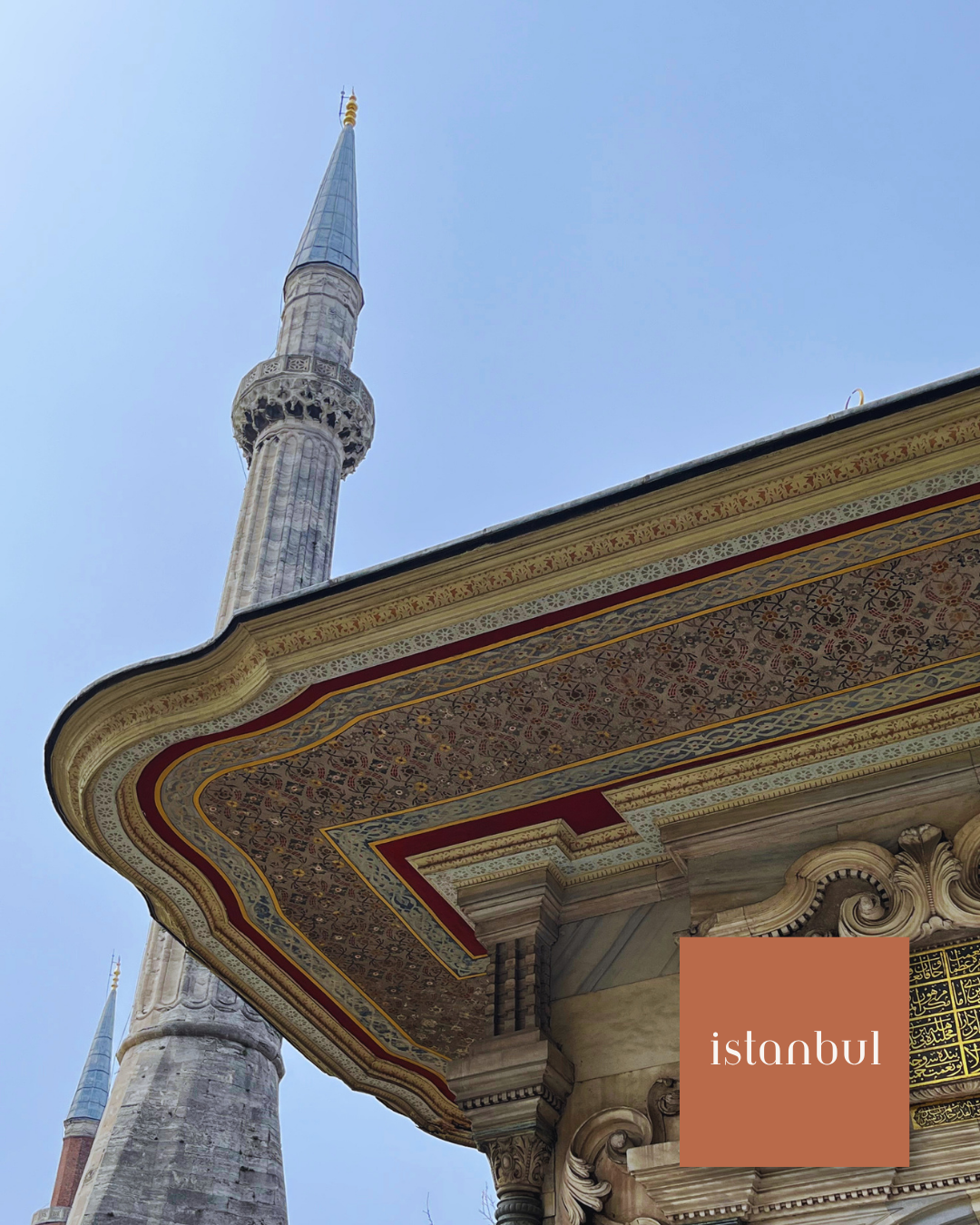
Istanbul, Türkiye
Istanbul doesn't keep its beauty behind closed doors. The same geometric precision and floral devotion that fills the interior of the Blue Mosque appears on a street fountain, on a ceiling you might almost walk past without looking up. Calligraphy, arabesques, intricate tilework, each surface considered, each detail placed with a care that speaks to centuries of unbroken craft refinement.
Look closely and you'll find them everywhere: the tulip and the pomegranate, two motifs that have shaped Istanbul's design language for centuries. They appear in our Jardin Nar collection, a quiet nod to a city that taught me what it means to treat every surface as an opportunity for beauty.
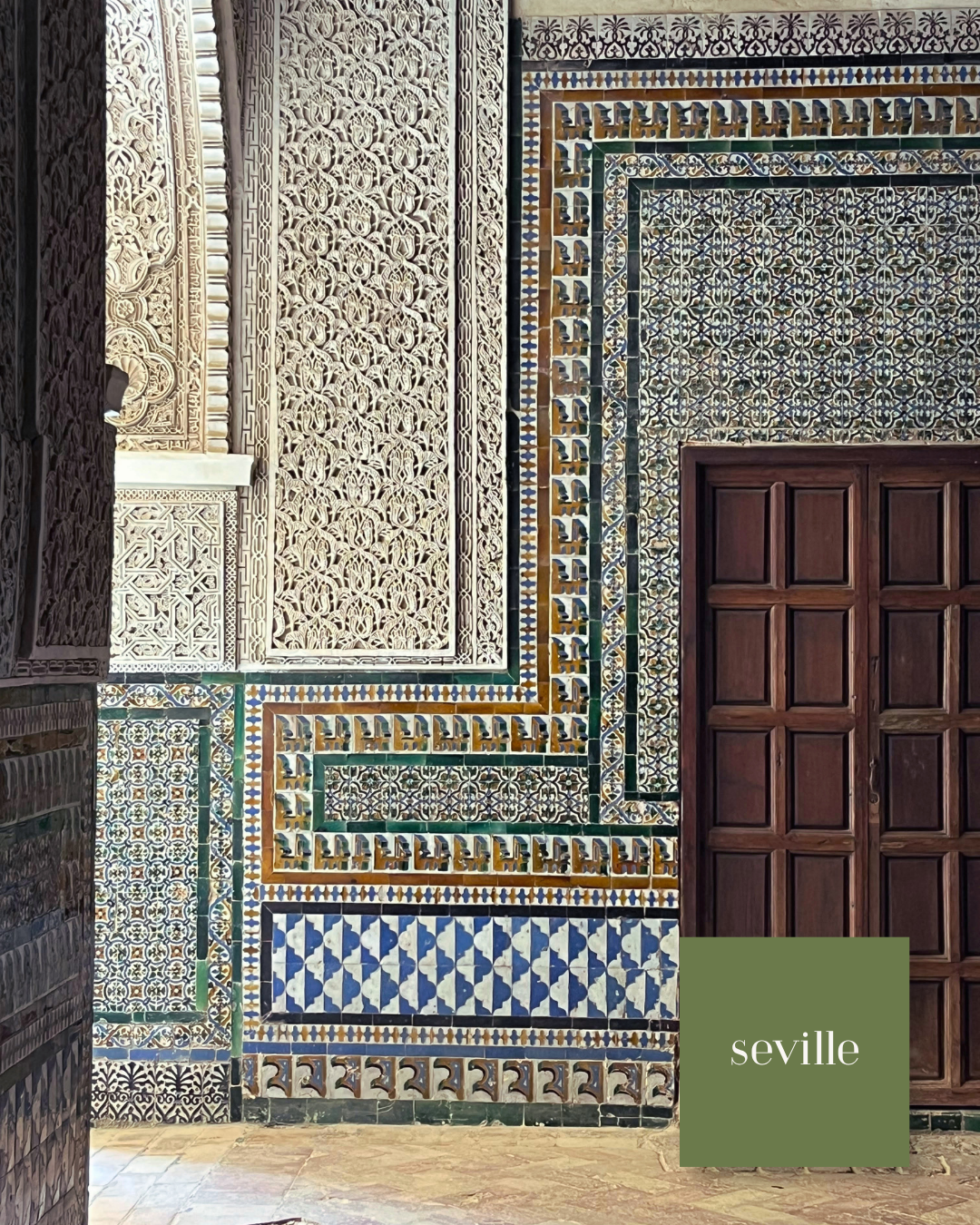
Seville, Spain
Seville's most enduring design contribution is one you find at eye level. The azulejo, hand-painted ceramic tiles, lines the city's walls, fountains, and public squares in geometry, colour, and botanical detail, refined by Sevillian hands for centuries.
A single tile is modest. A wall of them is extraordinary. There is something deeply moving about that shift in scale, about the way repetition transforms a simple act of craft into something that stops you in your tracks. Seville doesn't decorate its walls. It covers them in poetry.
Timișoara, Romania
Timișoara was built to make a statement. Under Austro-Hungarian rule, the city was systematically reimagined, grand squares, wide boulevards, and monumental facades transforming it into a declaration of civic ambition. Baroque churches stand alongside Secessionist buildings. Ottoman traces sit beneath later layers of empire. Each era left its mark without erasing what came before.
Timișoara doesn't announce itself. It reveals itself, street by street, building by building, detail by detail. And in that slow revelation is a kind of confidence I deeply admire: the confidence of a place that knows its own story and trusts you to be patient enough to read it.
Every piece we make begins here.
These cities, their walls, their patterns, their accumulated centuries of craft, are the quiet teachers behind every collection at Bombay Design Co. When you bring one of our pieces into your home, you are carrying a fragment of these stories with you.
That is exactly what we set out to make. Not just objects, but small moments of art, each one holding a design conversation that stretches back centuries, brought into the warmth of your everyday life.
— Alpesh, Founder, Bombay Design Co. I'd love to hear from you, write to me at alpesh@bombaydesign.co