

Sensory Interior Design: How Touch, Weight, and Resonance Shape a Home
Sensory interior design curates a home around touch, weight, and emotional resonance rather than purely visual appeal. Drawing together threads from earlier articles on natural cotton, wabi-sabi, and small moments of art, Alpesh explores why the rooms we love most are the ones we feel, and how to design for that.

On Tea, Storytelling, and the Things We Notice
We hosted an intimate tea tasting with Snigdha Manchanda, India's first certified Tea Sommelier. What began as an evening of tea became a reminder that the sensory details we chase in design, colour, texture, story, live just as vividly in a cup of tea.
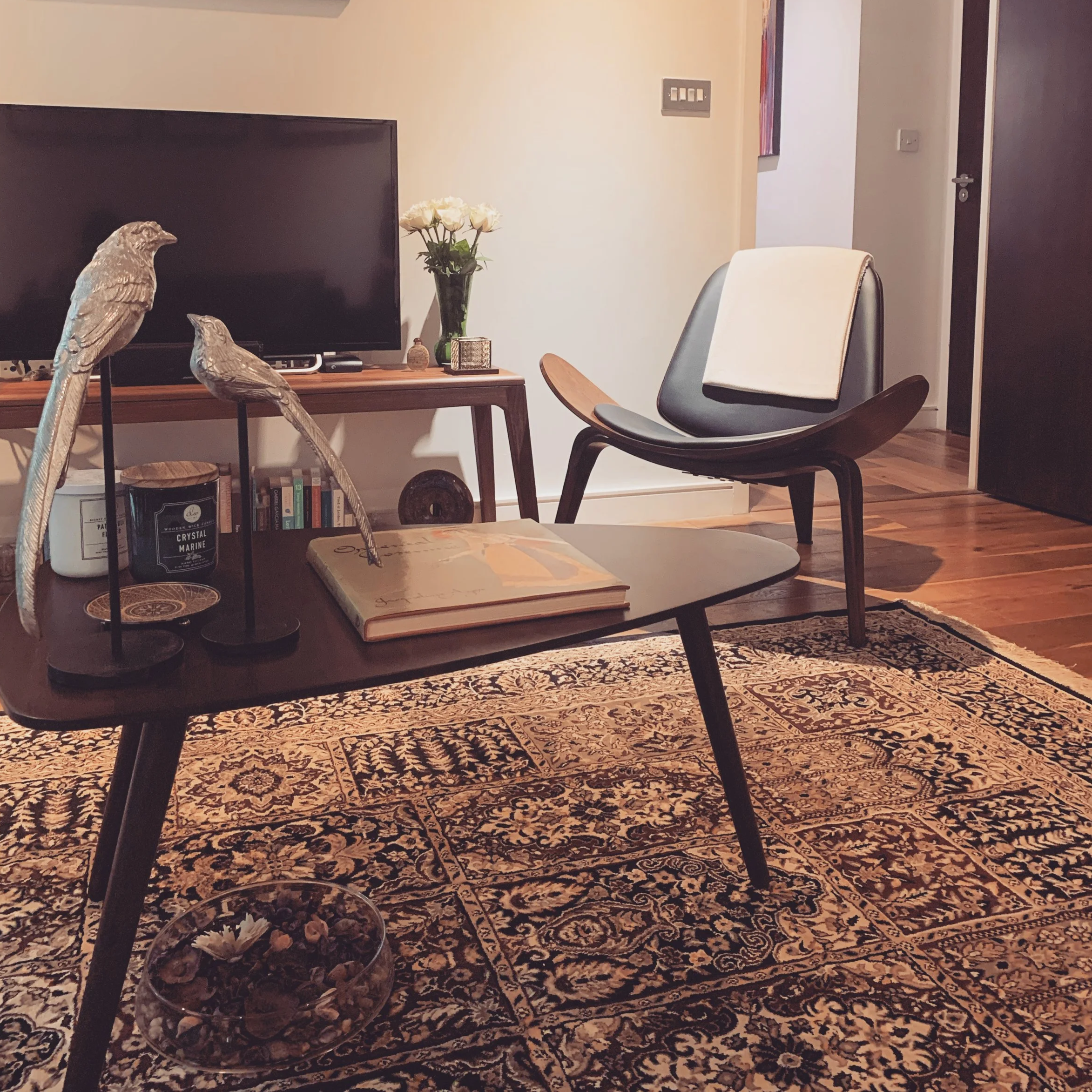
How to Mix Patterns in Small Spaces
Small rooms are not a reason to avoid pattern; they are a reason to mix it well. Writing from his own London apartment, Alpesh shares the working rules he uses as a pattern designer, vary the scale, share a palette, let solids rest the eye, and why texture deserves to be counted as a pattern too.

What Is Fretwork? The History Behind Hand-Carved Wood Screens
Fretwork is the craft of cutting ornamental, openwork patterns into wood, turning a solid screen into a play of light, air, and shadow. From the latticed windows of Jodhpur to the mashrabiya of Morocco, a Romanian castle, and one quiet terraced house in south London, Alpesh traces how the same idea kept appearing wherever makers wanted privacy without walls.

What is Wabi-Sabi Interior Design?
Wabi-sabi is the Japanese philosophy of finding beauty in imperfection, impermanence, and the quietly incomplete. After travelling through Nara, Kyoto, Tokyo, and Osaka, Alpesh reflects on what the idea really asks of a home, and why the answer is less about buying beige things and more about how you look.